
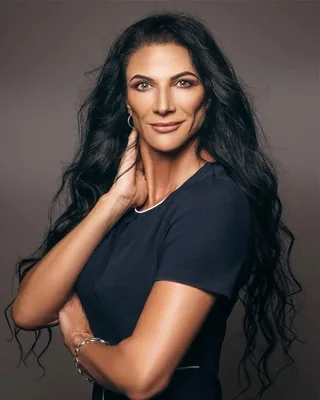
Skin of color is not simply darker skin — it is skin with different biology, different risks and different strengths, and it deserves aesthetic treatment protocols designed around those differences. Based in Accra and led by Amanda Fourie, a CIDESCO-certified practitioner with over 30 years of experience, Body Language has built its entire practice around treating melanin-rich skin safely and beautifully. Here is what every client with skin of color should know before booking any aesthetic treatment — with us or anyone else.
Why melanin-rich skin responds differently to treatments
Melanocytes — the cells that give skin its colour — are more reactive in darker skin tones. Inflammation from an overly aggressive treatment can trigger them to overproduce pigment, and the same biology that gives richly toned skin its resilience against visible ageing also makes it more prone to raised or thickened scarring when injured carelessly.
What is post-inflammatory hyperpigmentation?
Post-inflammatory hyperpigmentation (PIH) is the dark patching that can appear after skin trauma — a burn from a wrongly set laser, an over-strong peel, even a badly treated breakout. It is the single most common complication we see in clients arriving from clinics that used protocols designed for lighter skin. Prevention is straightforward: correct treatment selection, correct settings, and proper pre- and post-care. Correction is possible too — but slower than prevention.
Treatments that work beautifully for skin of color
The safest collagen-building treatments for darker skin work with the skin barrier rather than through heat. Micro-needling (from GHS 1,200) is our workhorse: it stimulates collagen with minimal inflammation and a strong safety record across all Fitzpatrick skin types. Correctly selected medical chemical peels (from GHS 500) brighten tone and soften acne scarring — the skill is in choosing the right acid and depth for melanin-rich skin. Signature facials and skin boosters hydrate and strengthen without any pigment risk at all.
Is micro-needling safe for dark skin?
Yes — performed professionally, micro-needling is one of the safest collagen treatments for skin of color, precisely because it creates controlled micro-channels rather than heat injury. Depth, needle technique and aftercare still matter, which is why it belongs in a clinic rather than a home roller.
Where caution matters: lasers and energy devices
Energy-based treatments are not off-limits for darker skin — but they demand experience. Fractional CO2 laser resurfacing is the gold standard for deep regeneration, and we use it strategically: only when the skin can safely tolerate resurfacing, always at settings chosen for your skin tone, never aggressively. The same considered logic applies to the plasma pen, which we assess case-by-case on melanin-rich skin.
Is laser resurfacing safe for dark skin?
With the right practitioner, settings and preparation — yes. The honest answer is that safety lives in the protocol, not the machine. Ask any clinic two questions: how do you adapt settings for skin of color, and how do you prepare the skin beforehand? If the answers are vague, keep looking.
Corrective artistry for melanin-rich skin
Some of our most requested work is corrective. Dark lip neutralisation balances hyperpigmented lip tone before a soft blush colour. PMU corrections and camouflage re-pigment scars and vitiligo patches. Professional skin lightening evens stubborn areas like underarms, elbows and knees — clinically, gradually, and without harsh bleaching.
The considered approach
Skin of color deserves practitioners who have spent years learning its behaviour — not adapted lighter-skin protocols on the fly. Every treatment at Body Language begins with a personal consultation where your skin, history and goals decide the plan. If you have been told your skin tone limits your options, come and hear a more considered answer: book a consultation at our Accra clinic.